HOPE - NADIJA
UPCOMING EXHIBITIONS:
MAY 2nd - July 4th
KIOSKSHOP / SEMJON CONTEMPORARY BERLIN
Schröderstr. 1 , 10115 Berlin
JUNE 21th - July 24th
DEUTSCHES FLEISCHERMUSEUM
Marktplatz 27, 71032 Böblingen
HOPE - NADIJA carries particular relevance in light of current political events in Ukraine as well as in Iran. My aim is to create a visible statement and initiate discourse by presenting the installation in parallel in public spaces and gallery contexts. Please share it, spread the word and feel free to suggest addtional exhibition spaces.
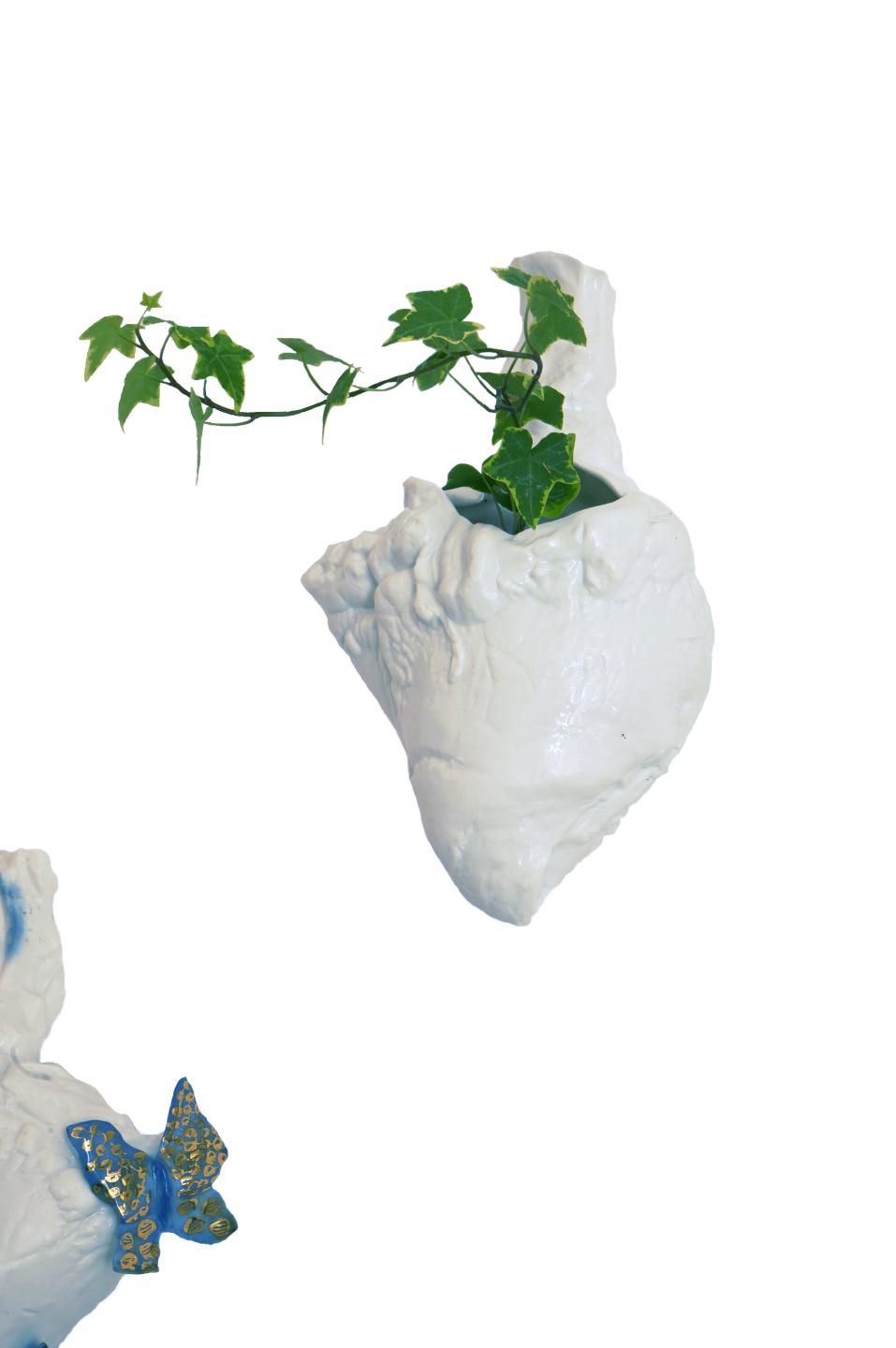
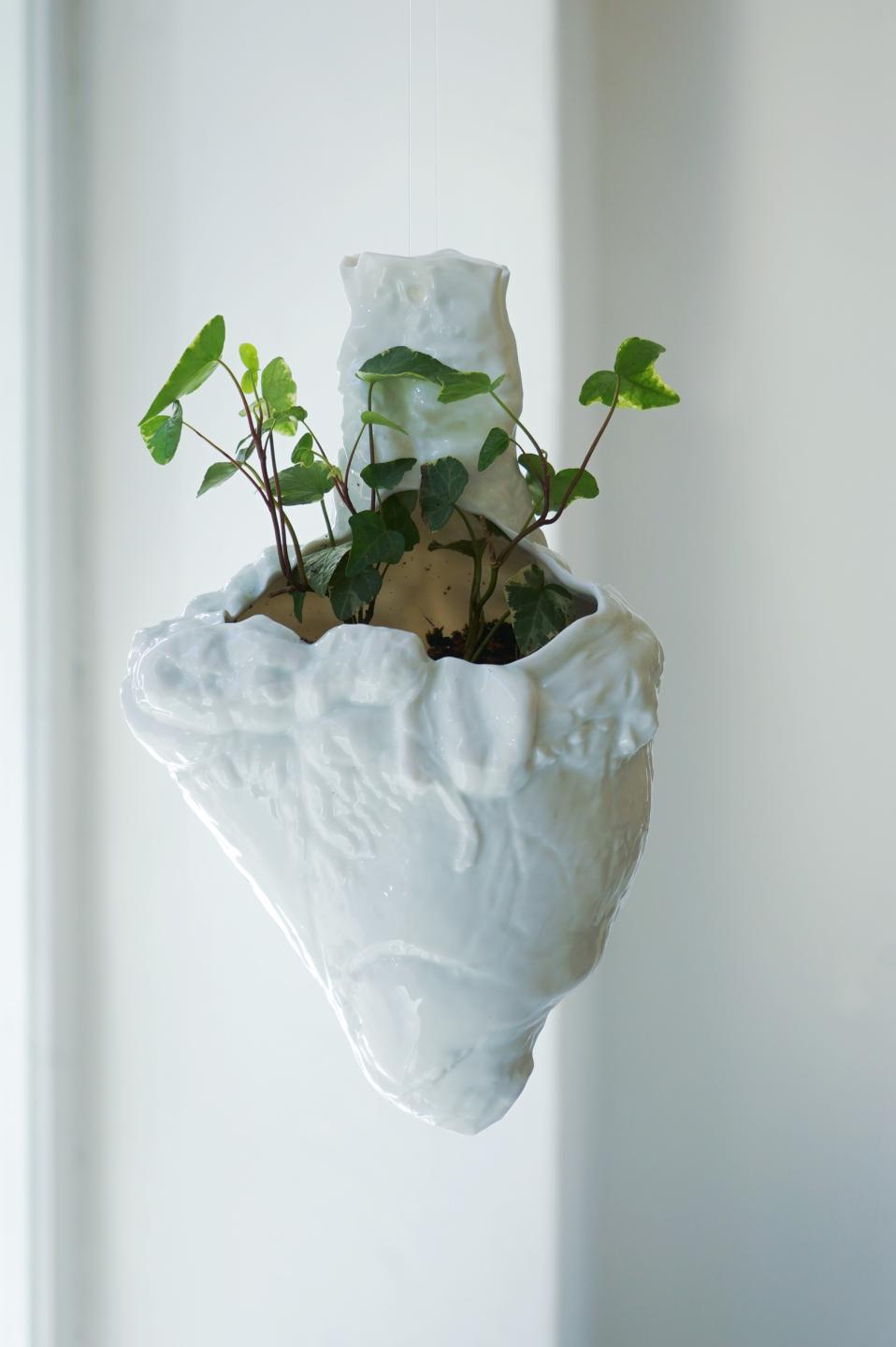
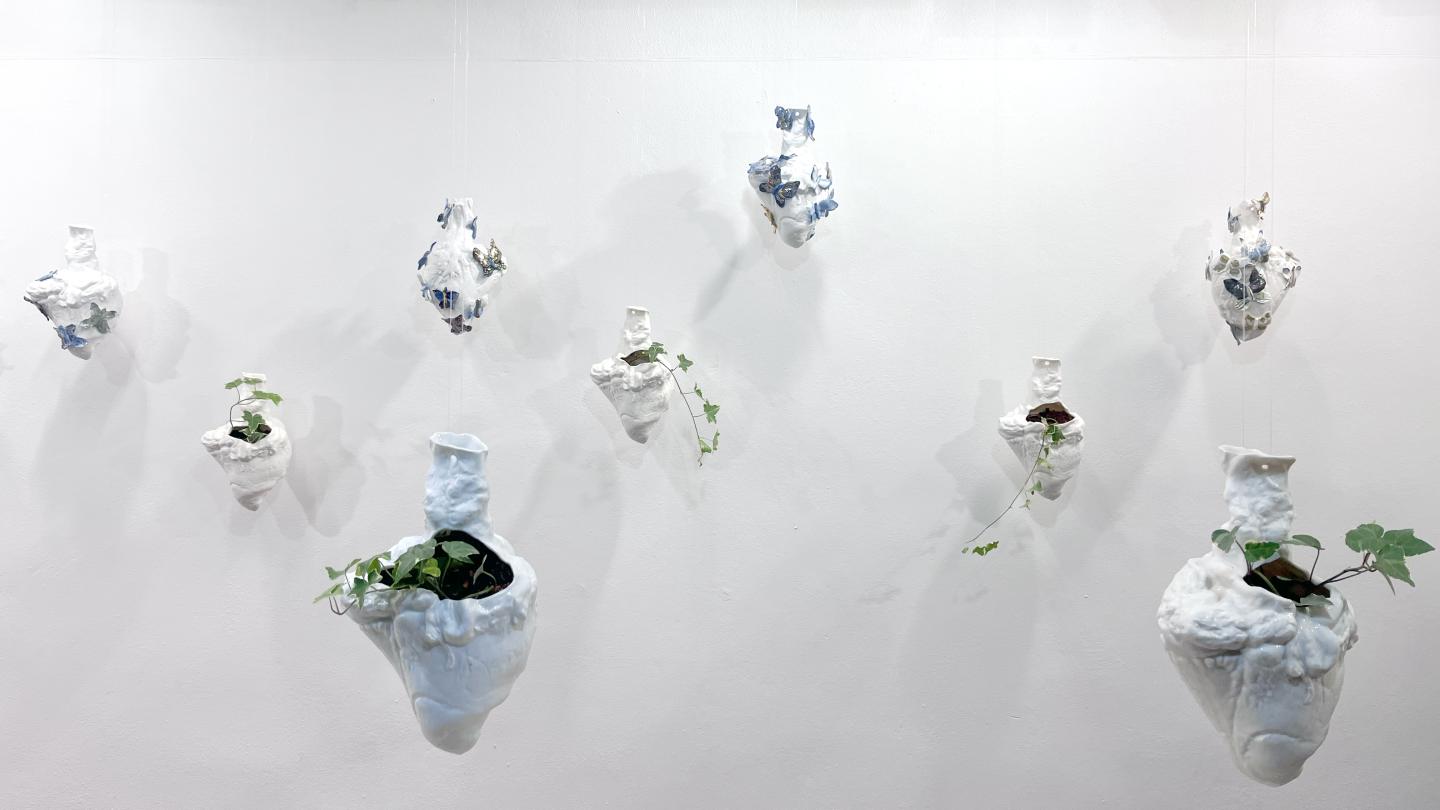
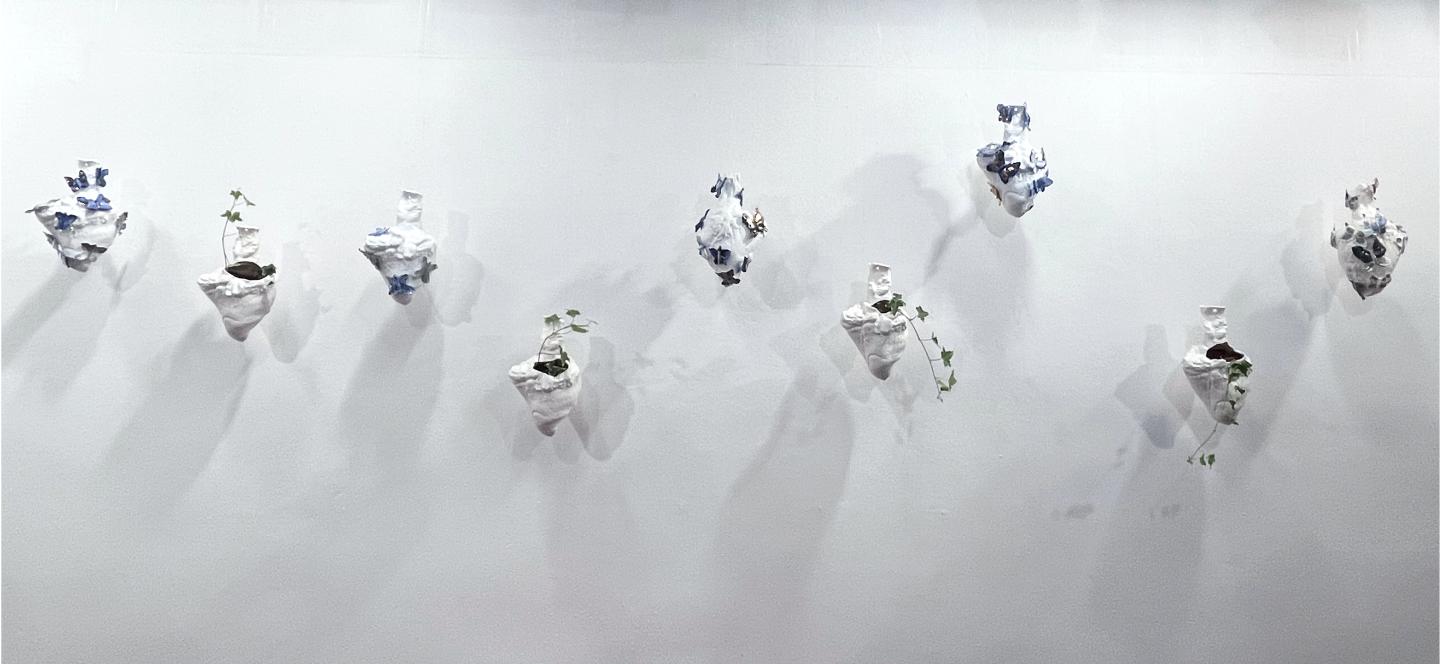
This installation project is about HOPE as an inner force of survival. Not as optimism, but as a fragile, quiet force that makes it possible to keep living, to keep trusting, and to keep acting.
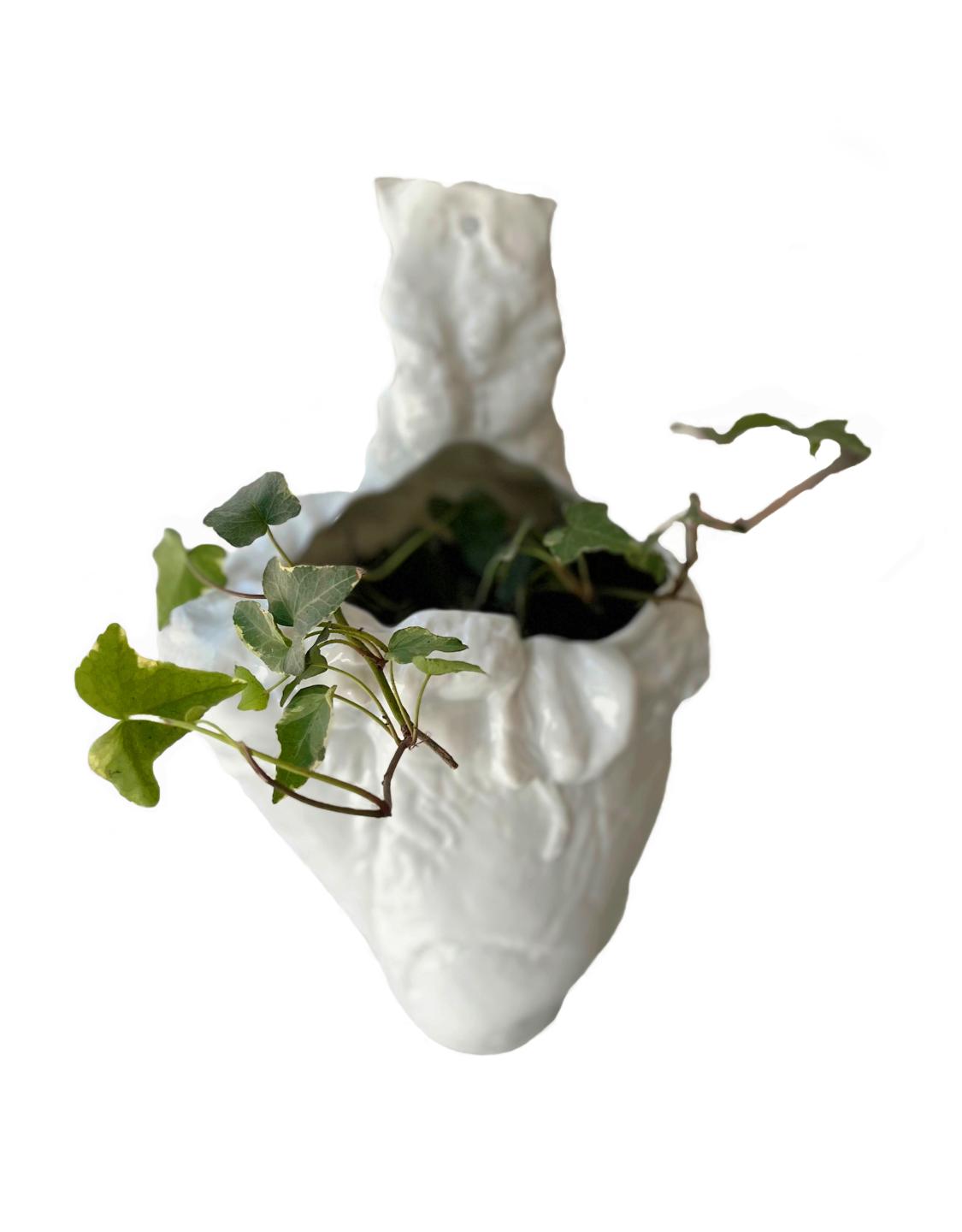
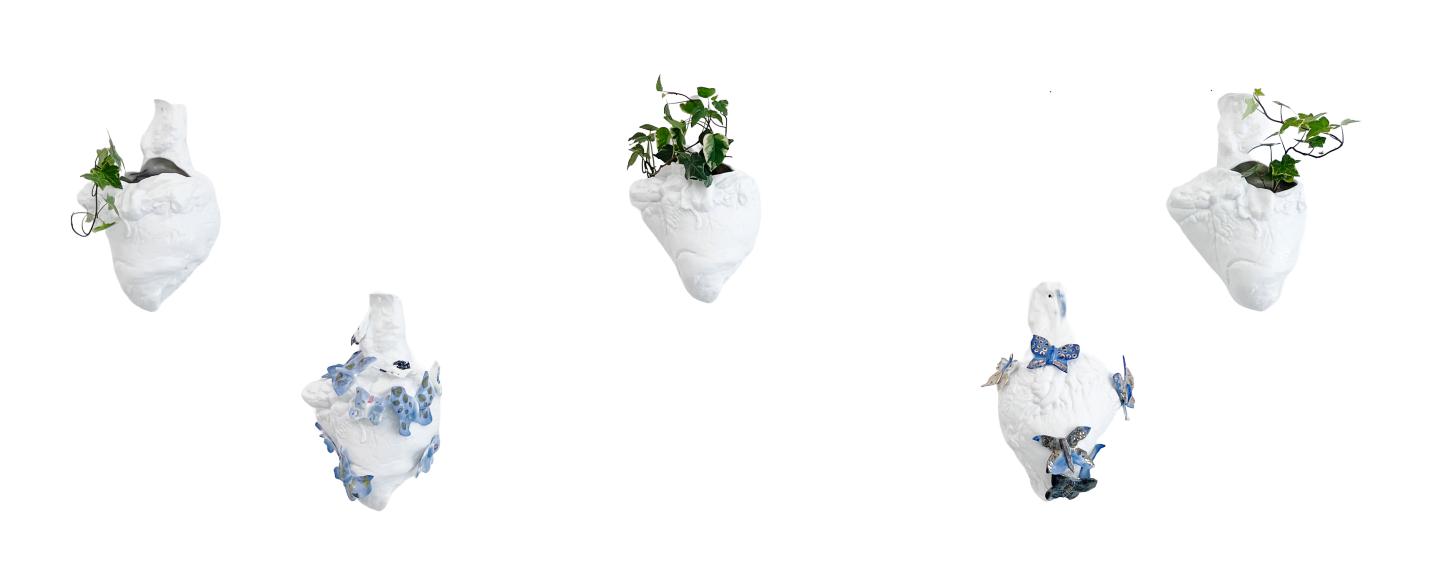
HOPE - NADIJA is about the resilience of people, which continues to grow even under minimal conditions. HOPE - NADIJA stands for something fragile, perhaps interrupted, damaged, but not extinguished.
Since 2022, the civilian population in Ukraine has been living under continuous air raids. The war has entered everyday life: explosions at night, work during the day, family life under existential threat.
Particularly in the winter months of 2025/26, energy facilities were deliberately destroyed—with direct effects on people’s physical and psychological well-being.
HOPE - NADIJA arises from the question:
What keeps a person going internally when uncertainty becomes a permanent condition?
Vira – Nadija – Lubov: widely used female first names in the Slavic world, originally referring to the ancient Greek virtues Pistis – Elpis – Agape. With the spread of the Christian Orthodox religion, they were translated into Slavic languages as the names of the three virtues: trust – hope – compassion.
In this project, the terms Vira / faith, Nadija / hope, and Lubov / love are not understood as moral or religious ideals, but as mechanisms of survival that become effective in extreme situations. They describe functional inner processes that enable people to endure under conditions of violence, uncertainty, and loss of control.
Together, these terms point to what remains active within people when external certainties are lost. They do not mark a solution, a prospect of reconciliation, or a political perspective. Instead, they describe a state of persistence that is neither passive nor active, but situational and process-based.
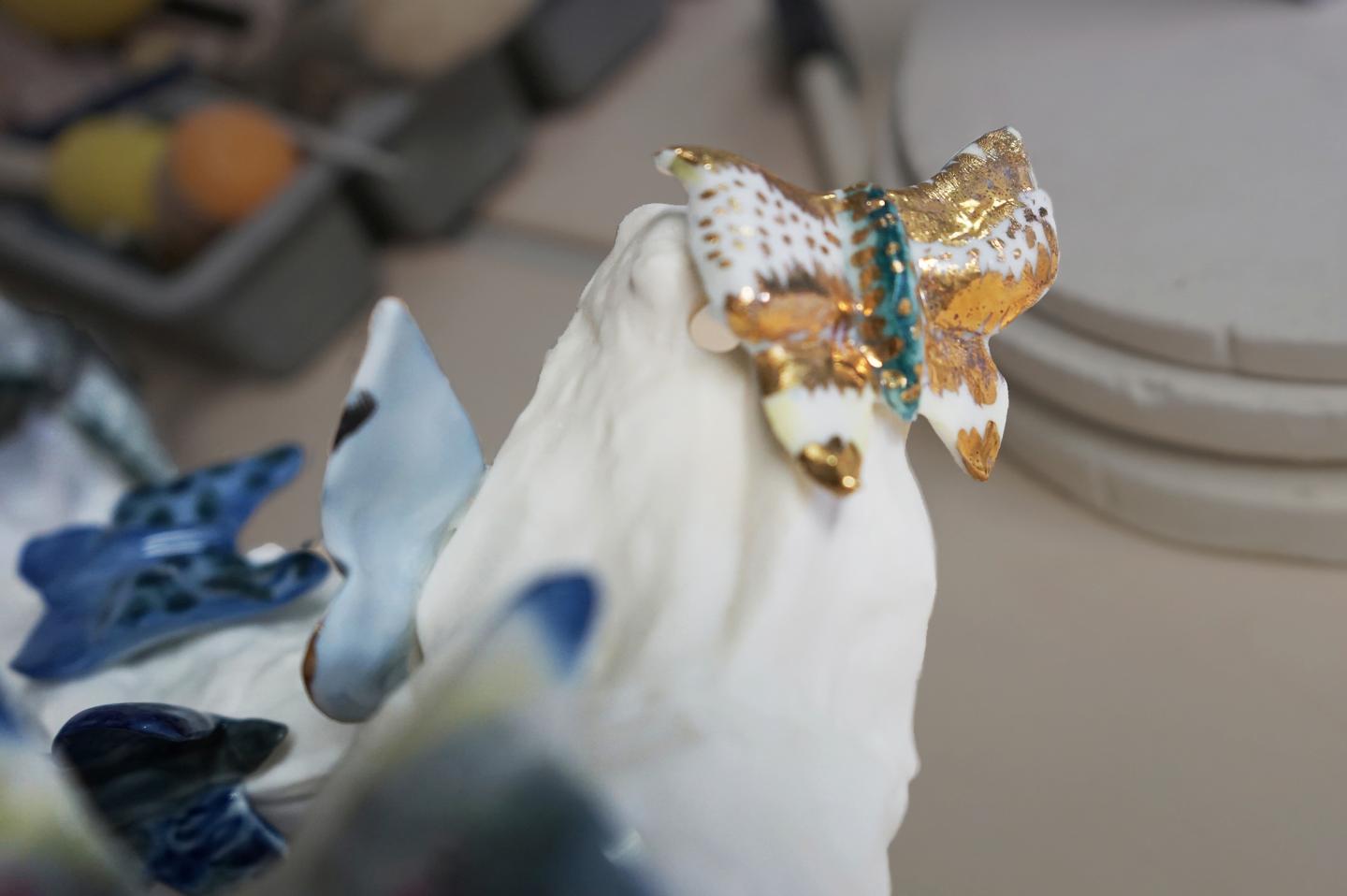
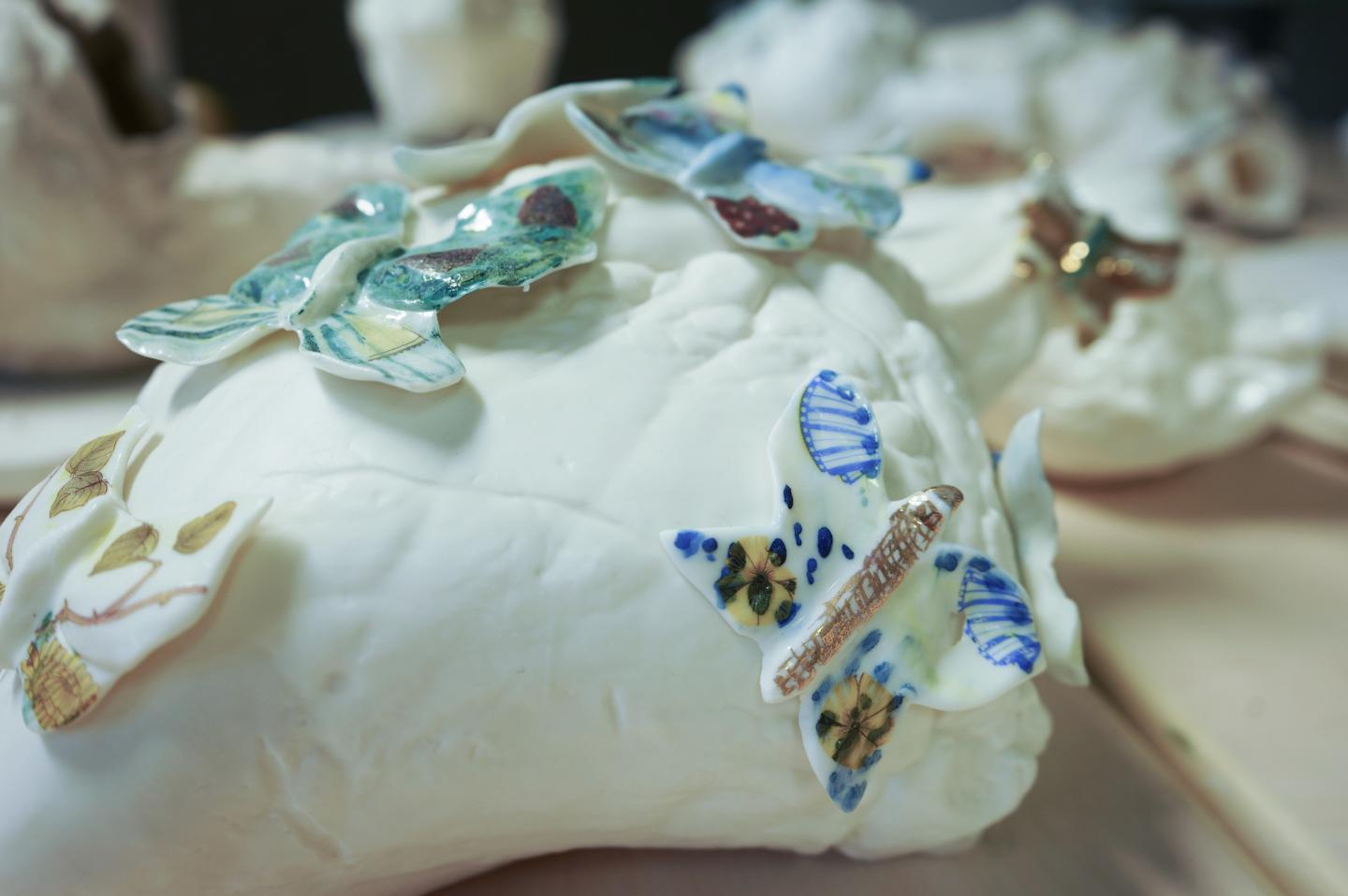
HOPE – NADIJA works with a reduced, physical visual language and deliberately refrains from direct depictions of violence. The installation creates a space for quiet engagement with vulnerability, continuity, and inner resilience.
The project gives a face to the targeted destruction of the civilian population and creates a space of resonance in which individual experience is transformed into a collective perception.